
Crossing Corsica by bike - GT20

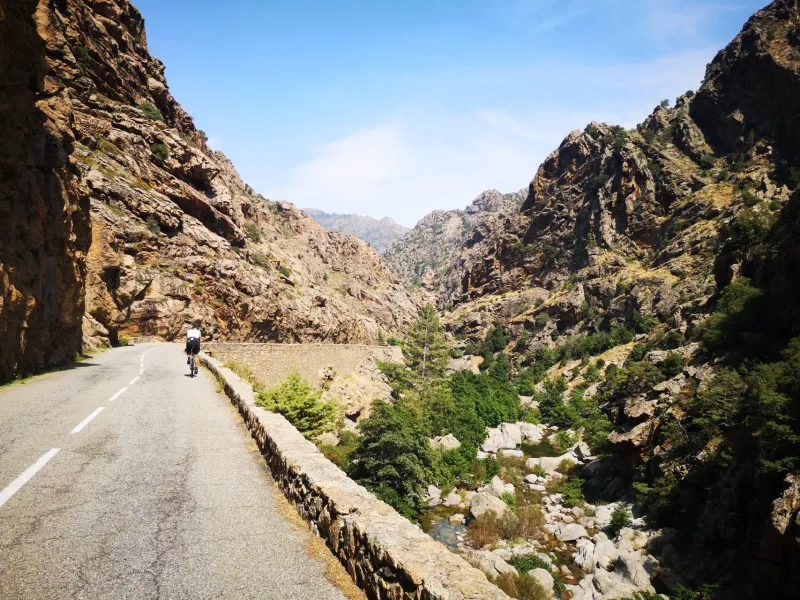
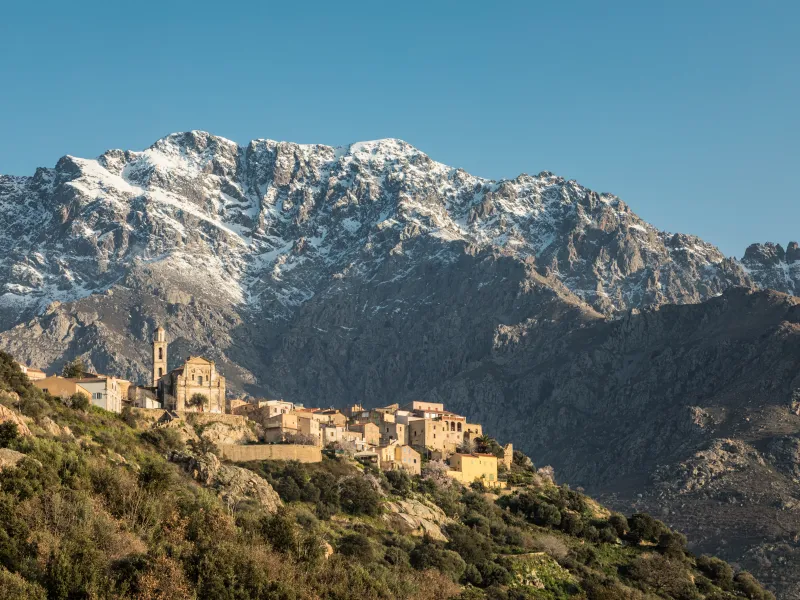
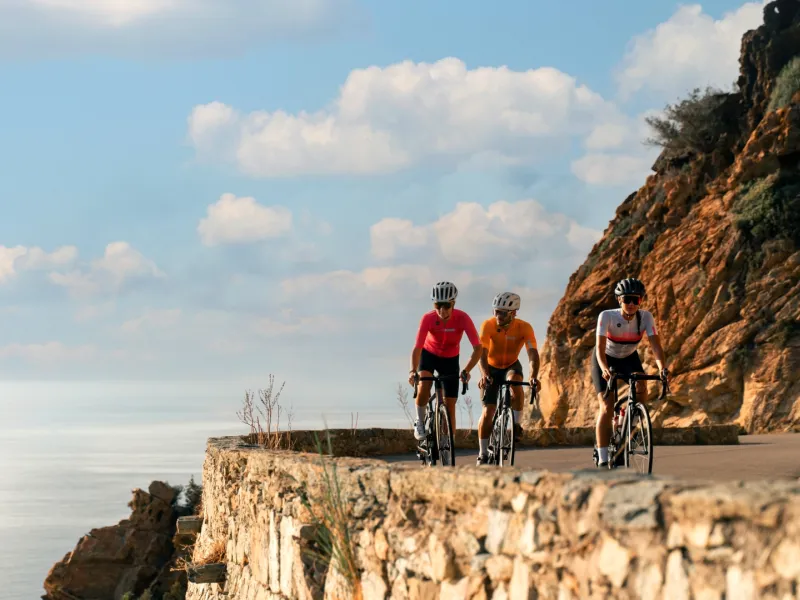
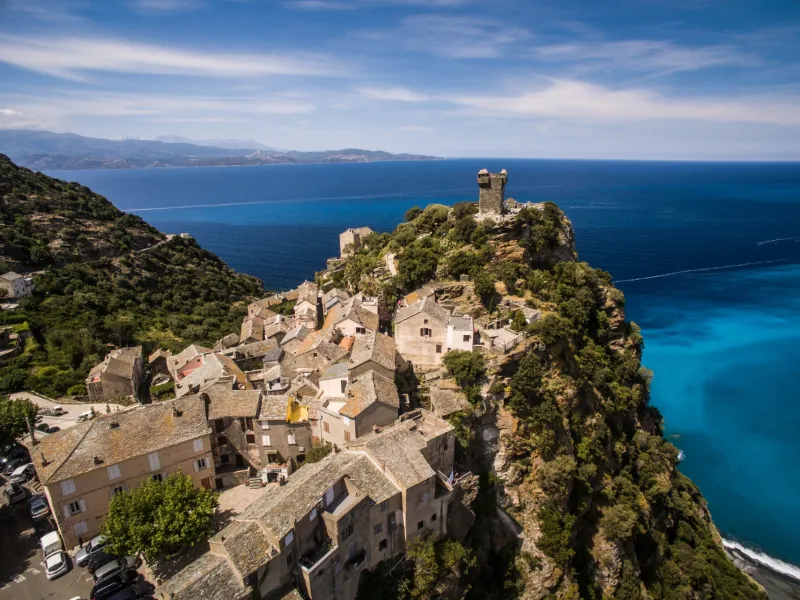
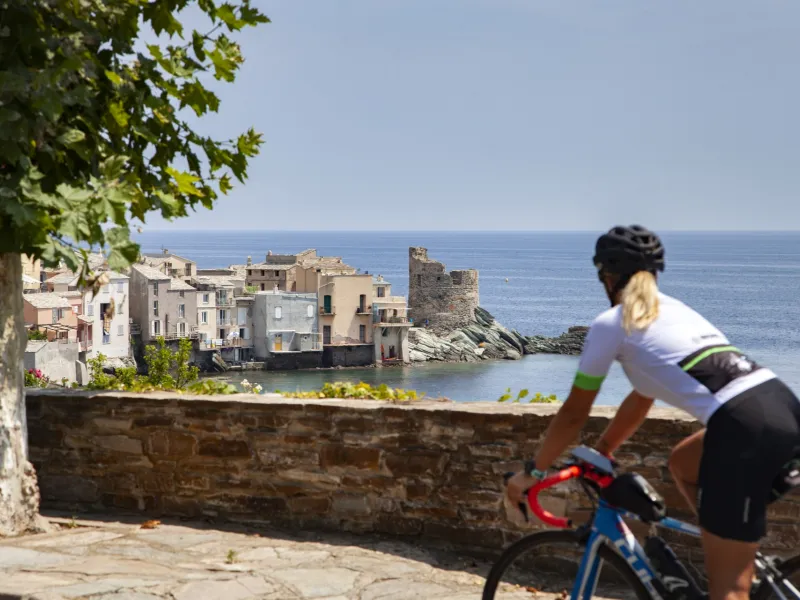
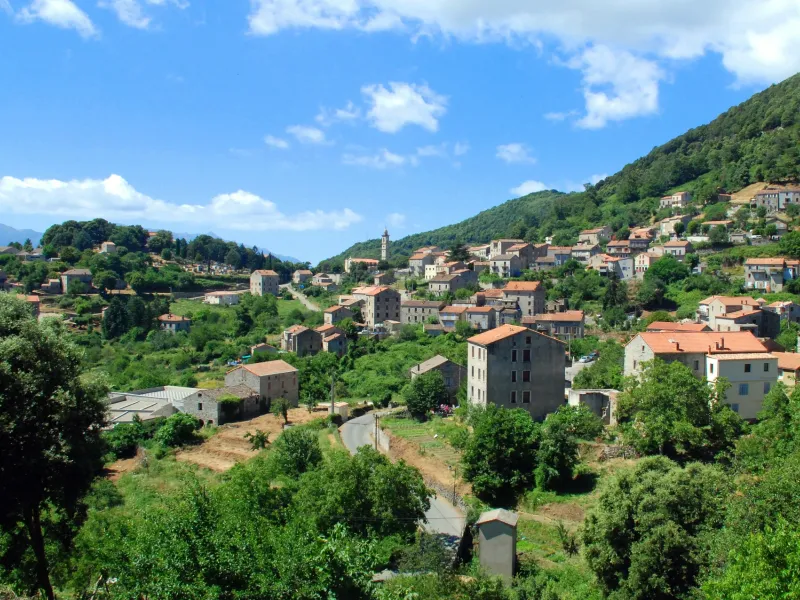
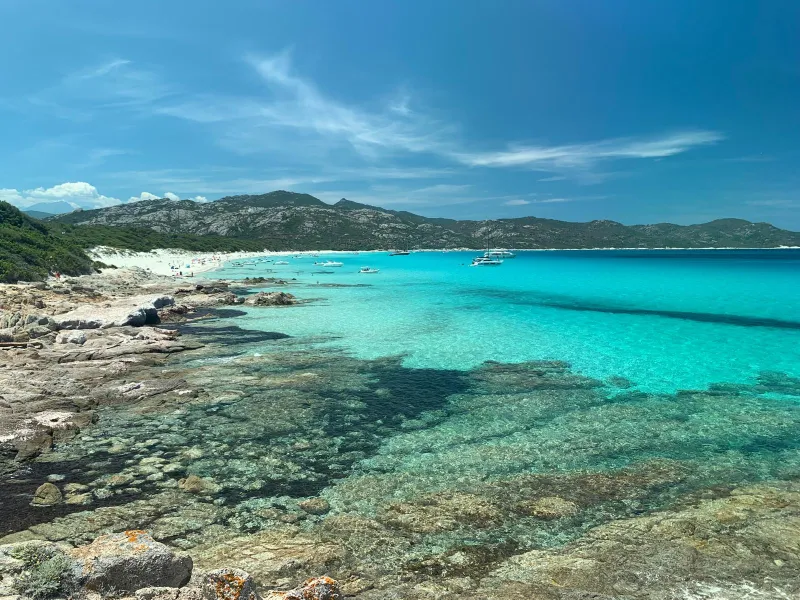
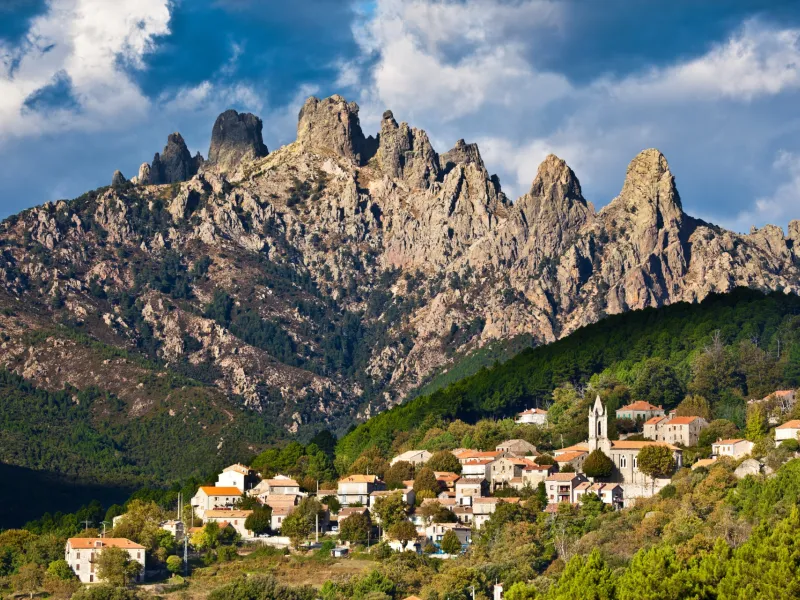
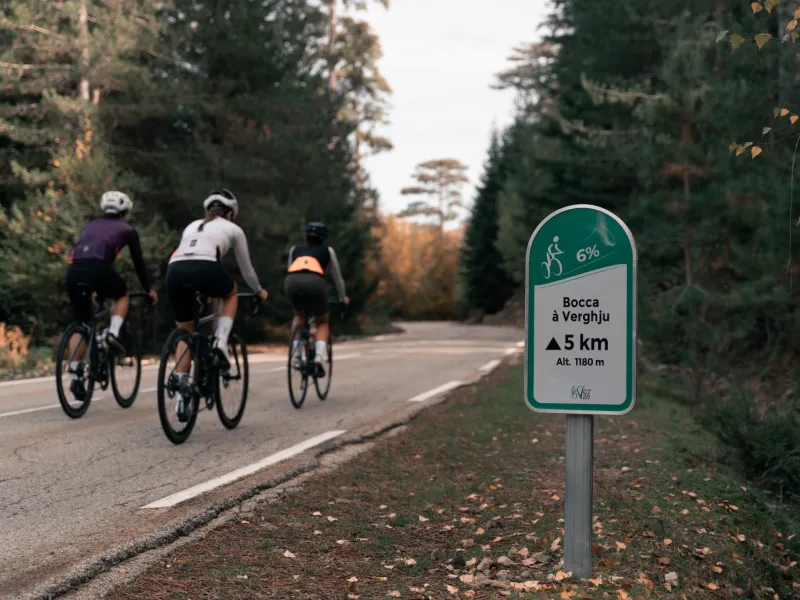
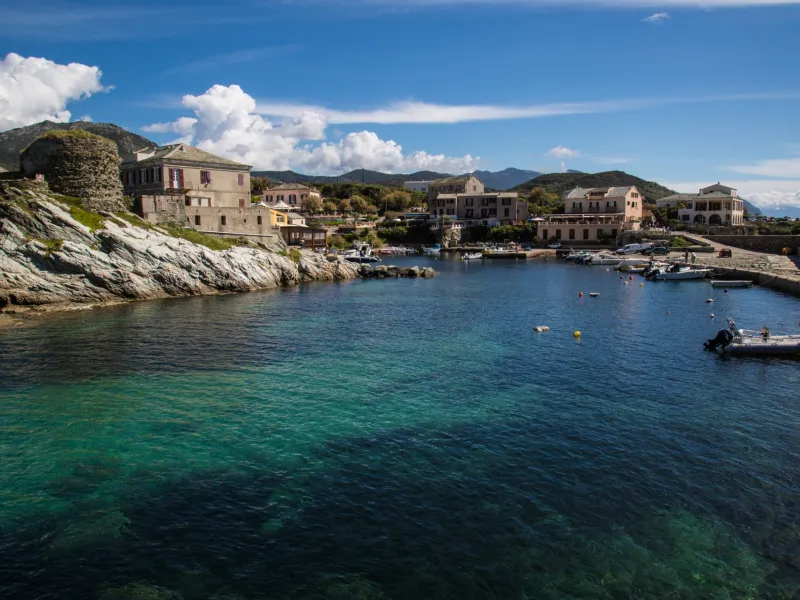
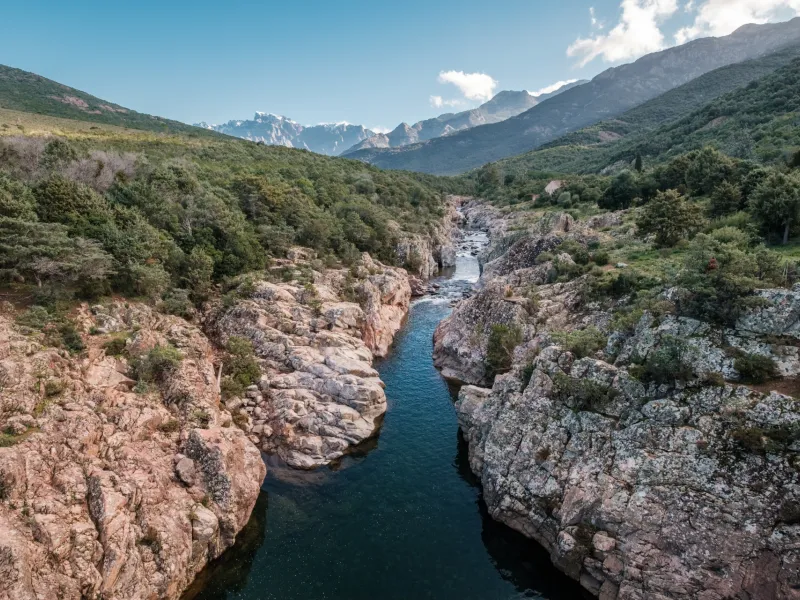
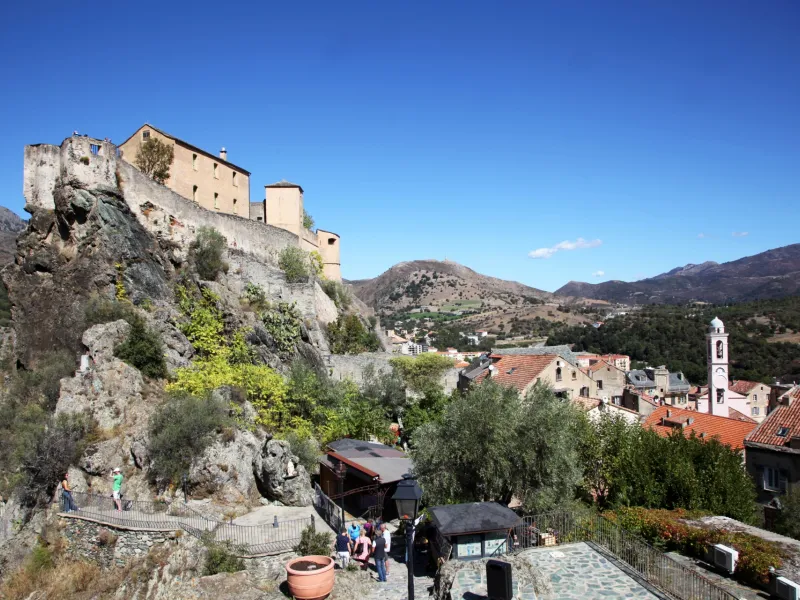
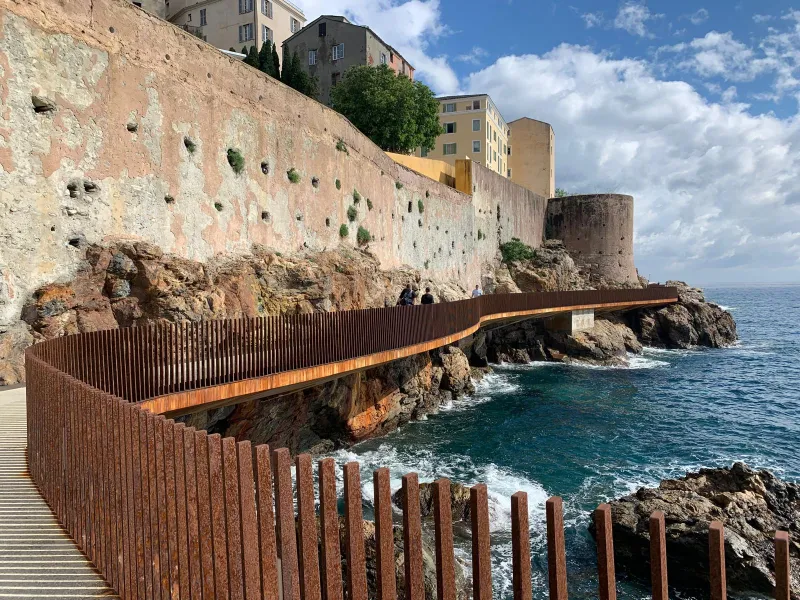
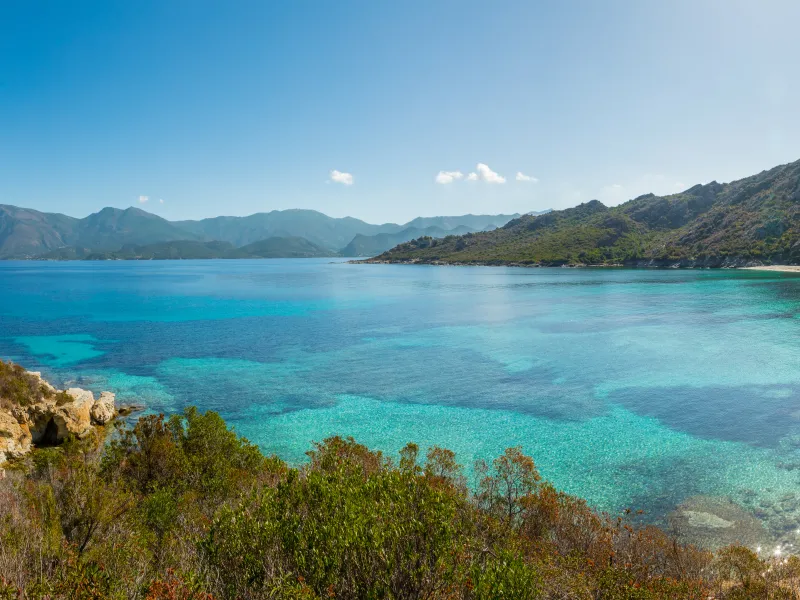
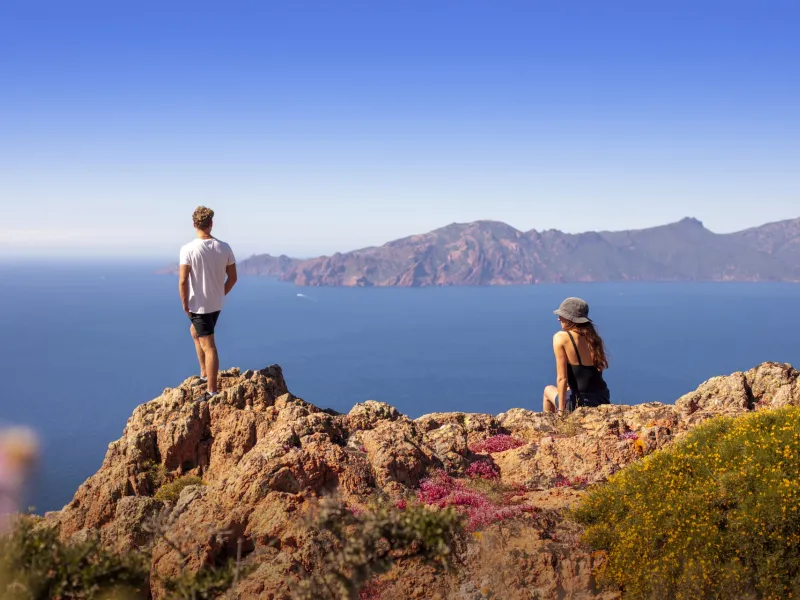
If there’s one cycle route that demands that you take your time, savouring it, it’s the GT20. Twin of the GR20, the famed hiking trail across Corsica, our GT20 is almost 600km in length. It provides an unforgettable way to explore the Île de Beauté, as the island is nicknamed in French. For the best of starts along this Corsican Grande Traversée “A Traversata Maiò”, as the Corsicans say, arrive by ferry at dawn. Don your cycling shoes, launching straight off to conquer the GT20 – what a way to start your holidays! Drop dreams of time trials, though; take your time exploring Cap Corse (the island’s wide northern peninsula) and the villages of Balagne (northwest Corsica), bathing in Lake Calacuccia, discovering the jagged peaks of the central range of the Aiguilles de Bavella… The picturesque villages of l’Alta Rocca (in Corsica’s southern interior), such as Livia Levie and Zonza, the Col de Bacino, a pass with amazing views on the Gulf of Portivechju (Porto-Vecchio), Corte, Corsica’s central, historic capital… all the island’s sights will fill you with wonder, down to southernmost Bunifaziu (Bonifacio), marked by its famous chalk cliffs. Cycling through hidden corners, away from the crowds, on the GT20 you’ll fall in love with Kalliste, “the most beautiful of islands”, as Corsica was known in classical times.
Signposting and state of the cycle route
Signposted in both directions, the GT20 mainly leads you along secondary roads with little traffic, providing peace and safety for cyclists.
For a gentle start along the route, we recommend you begin from Bastia, the major ferry port in northern Corsica
Cyclists will fall in love with Corsica, the Île de Beauté, devoting a day to each cycling stage. Like that, in 12 days, you can take your time stopping to appreciate many of the 1,001 gems the island has to offer, also enjoying refreshing dips in the sea, in lakes and in streams. Plus, the local cuisine will encourage you to relish frequent stops, as well as helping you regain your strength, of course!
The entire GT20 cycle route involves tackling 10,047m of cumulative elevation gain (EG). Most of the route is through low mountains, taking you from sea level to 1,500m. This is a cycle route really geared to very fit, highly experienced cyclists confident that they’re capable of tackling (with or without additional gear to carry) a whole series of climbs to passes, plus technically-demanding descents. Or then, less hardened cyclists can opt for an e-bike!
- For each stage, we indicate the total shift in altitude (or CAG) involved, as the key to conquering this cycle route isn’t simply about managing the distances, but also these elevation gains.
- After storms, given that Corsica has so many ravines, take special care, as you may encounter lots of pebbles and rocks scattered across the roads.
- Also be aware, in this mountainous terrain where Corsican pastoral activities continue to thrive, that you may encounter animals wandering about freely at times. Control your speed at all times, but especially beginning any descents from the high passes.
Altitude of the 10 main passes (cols) along the cycle route
- Stage 1: Col de la Serra: 361m
- Stage 3: Col de San Colombano: 692m
- Stage 5: Col de Bocca Di Neraghia: 283m; and Col de Marsolino: 443m
- Stage 6: Col de Palmarella: 408m
- Stage 7: Col de Vergio: 1,477m
- Stage 9: Col de Croce: 642m
- Stage 10: Col de Verde: 1,289m
- Stage 11: Col de la Vaccia: 1,193m
- Stage 12: Col de Bacinu: 809m
Seasons and weather
To make the most of the GT20 cycle route, best tackle it in spring, between April and late June, when temperatures are milder, days are longer and traffic is lighter. Other favourable periods are at the end of summer and in early autumn, so in September and October. Summer isn’t ideal, what with the heat and the large number of tourists, so work out when’s best for you to explore Corsica by bike.
Gradients and elevation
Road types
Surface
Trains and transport on the route
Arriving by ferry, with your own bicycle
Several shipping lines (compagnies maritimes) run ferries to Corsica from the French mainland, most leaving from the ports of:
- Marseille
- Toulon
- Nice
Depending on the ferry company, you can choose to land in Corsica at:
- Bastia
- L'île Rousse
- Calvi
- Propriano
- Porto-Vecchio
To tackle your adventure along the GT20 cycle route, you can, for example, easily arrive by ferry at the northern port of Bastia and leave by ferry from either Propriano, Ajaccio or Porto Vecchio in the south. Remember too, that it’s much easier to transport your bike by ferry than by plane!
Travelling by train, with your bike, across Corsica
The island of Corsica has 2 train lines run by the Chemins de Fer de la Corse (CFC):
- The central line linking Bastia in Haute-Corse (northern Corsica) to Ajaccio in Corse du Sud (southern Corsica), 158km apart,
- The Balagne line linking Ponte-Leccia to Calvi, 73km apart
The main train stations on or close to the GT20 cycle route are at: Bastia; Corte; and Venaco. For each stage of the GT20 cycle route, we indicate if there is a train station or train stop nearby
⚠️ Train tickets : travelling by train with your bicycle, you must dismantle your bike and carry it in a suitable bike bag (measuring up to 120cm x 90cm). For this service, at time of writing, you will be charged €15 when you buy your ticket.
View infrastructure on the map
Reviews for Crossing Corsica by bike - GT20
"Accueil Vélo" accommodation on Crossing Corsica by bike - GT20
12 Accueil Vélo accommodations await you on Crossing Corsica by bike - GT20!
View accommodations on the map
The 12 stages of Crossing Corsica by bike - GT20
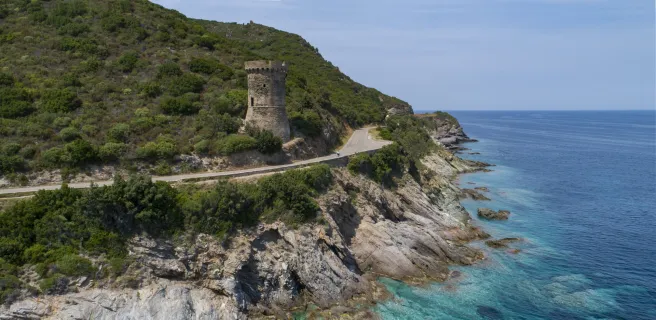
1 Bastia / Centuri
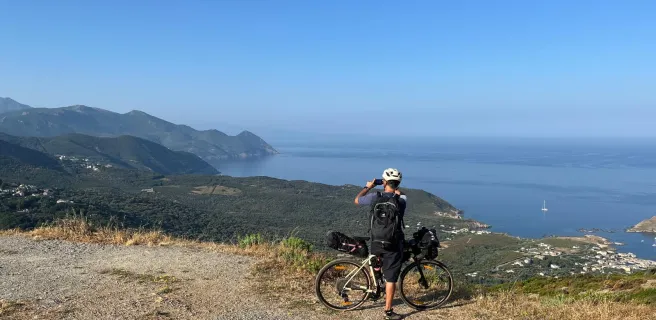
2 Centuri / Saint-Florent
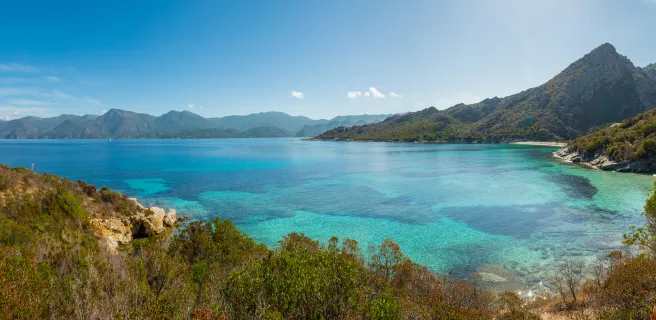
3 Saint-Florent / Belgodère
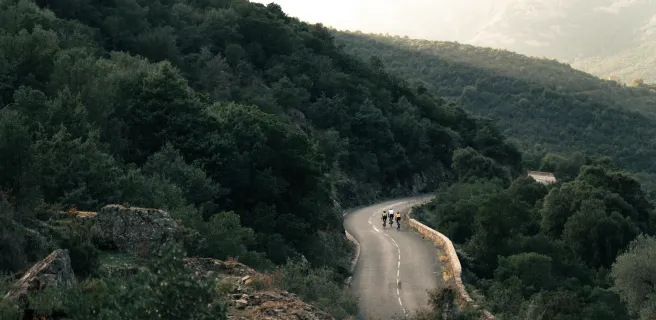
4 Belgodère / Calenzana
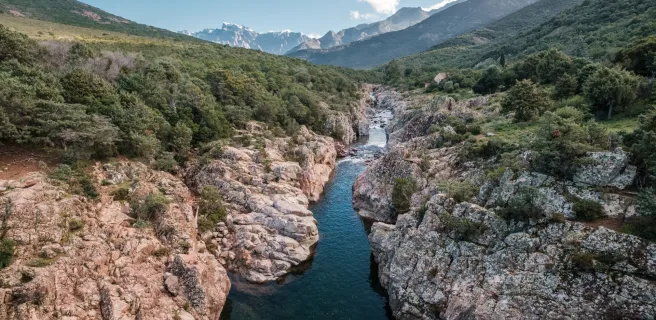
5 Calenzana / Galéria
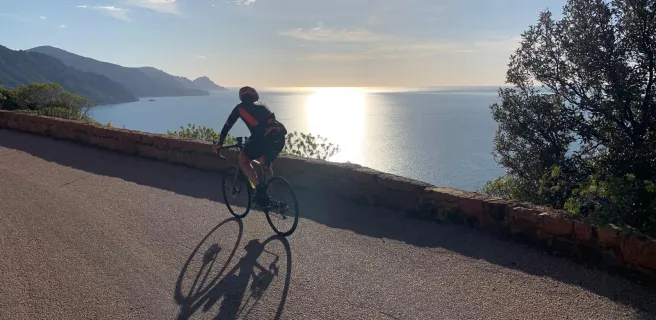
6 Galéria / Porto
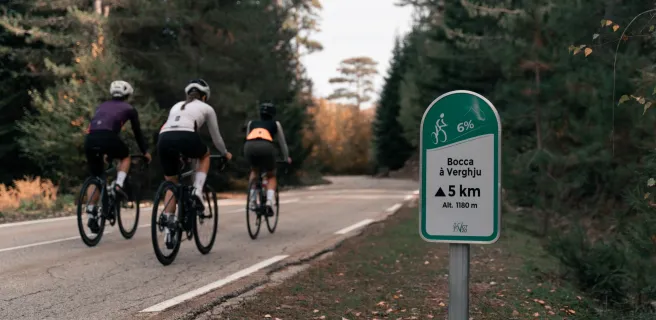
7 Porto / Vergio
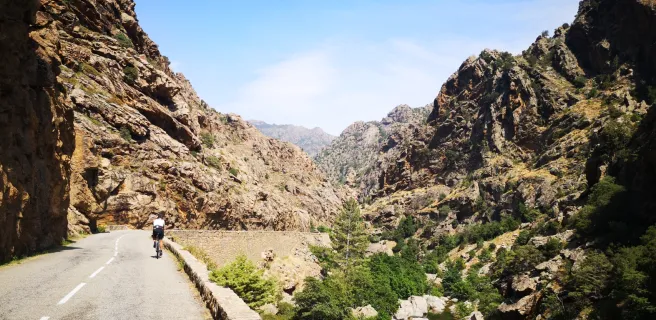
8 Vergio / Corte
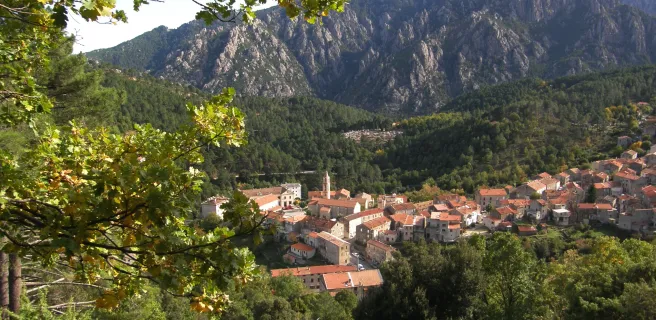
9 Corte / Ghisoni
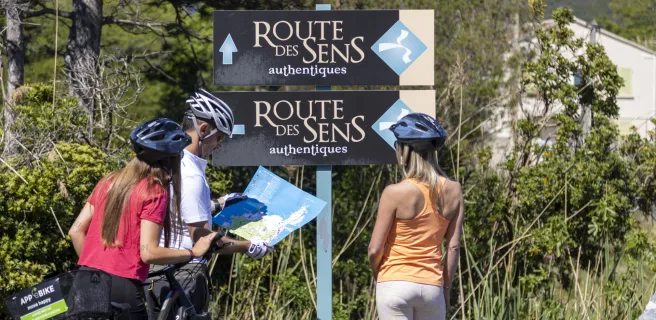
10 Ghisoni / Zicavo
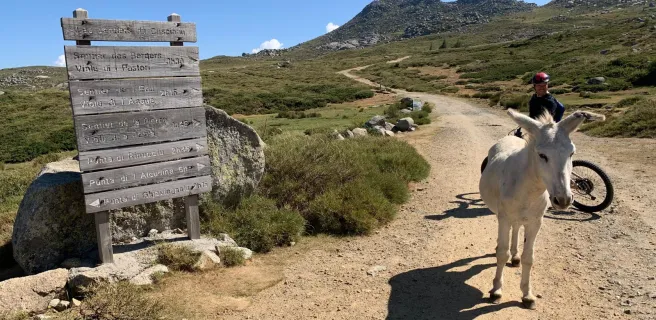
11 Zicavo / Zonza
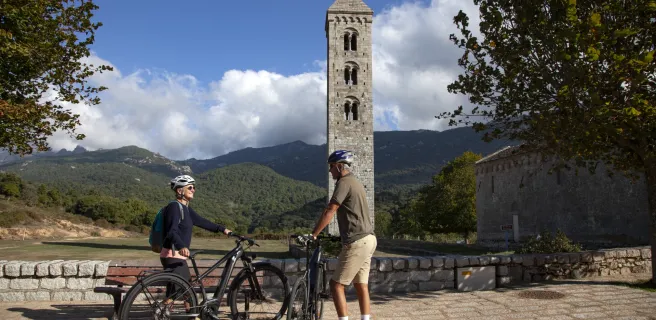
Nice, but…
Lovely, easy riding and it’s really fun to start with a gorgeous overnight ferry ride from Marseille. The coast today has lots of beach accesses.