
Pourville-sur-Mer / Cany-Barville

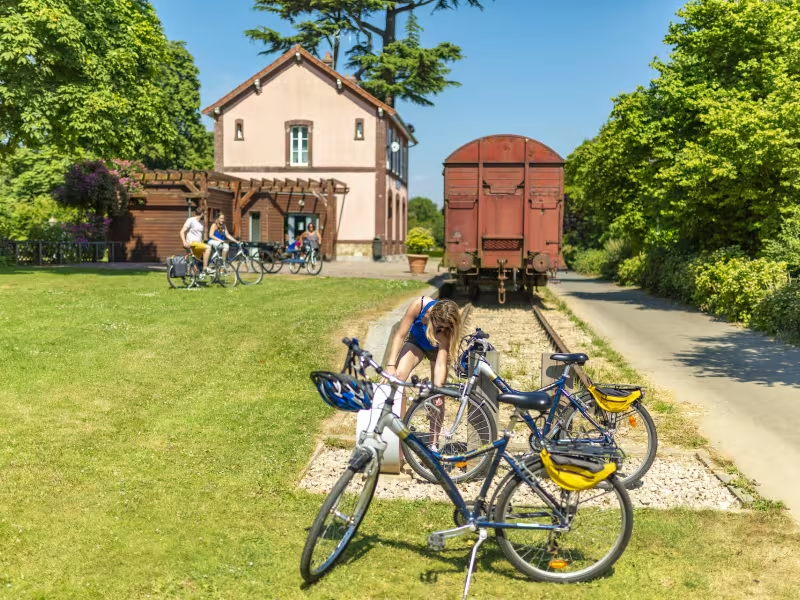
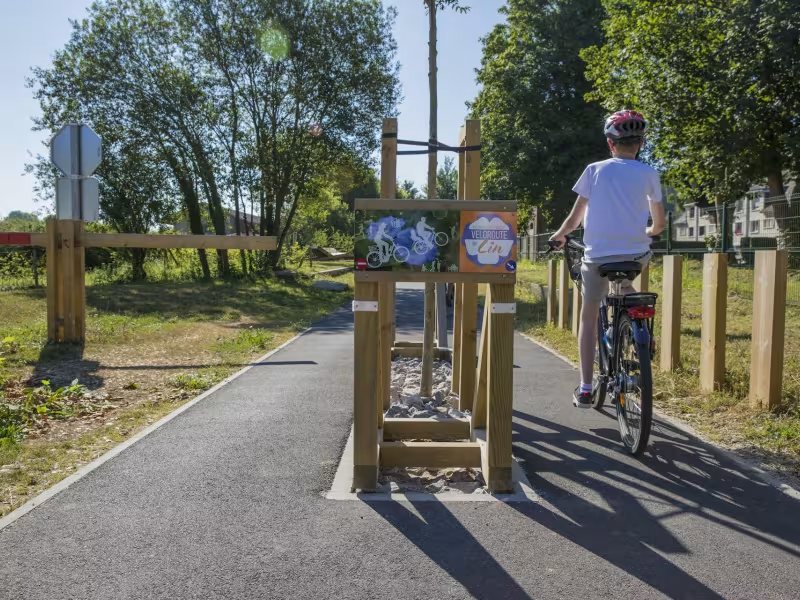
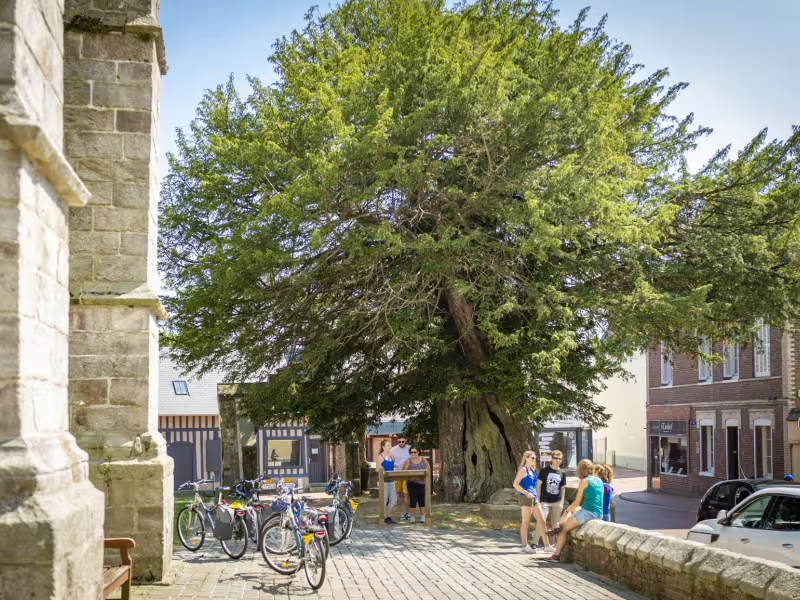
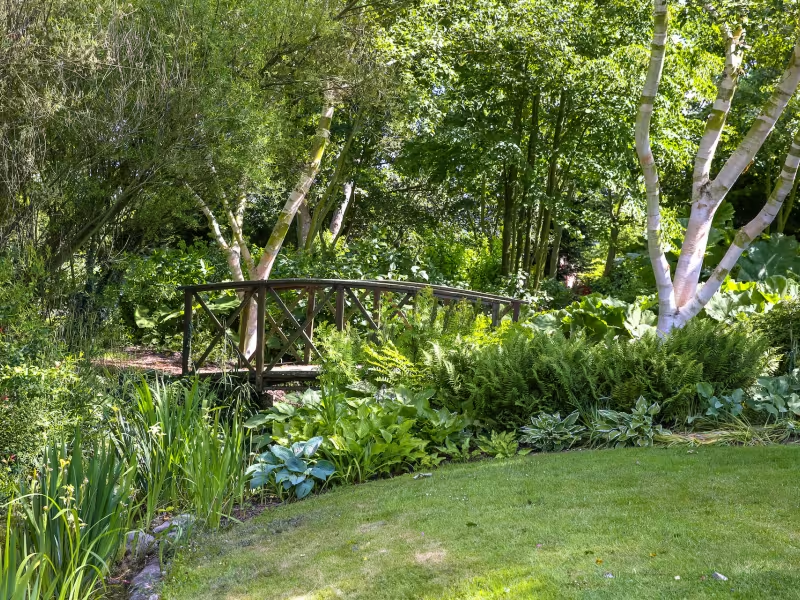
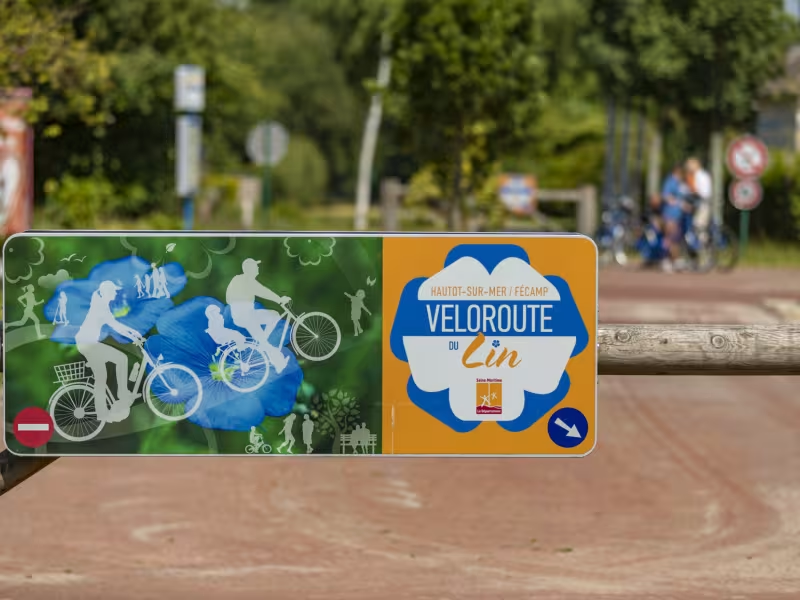
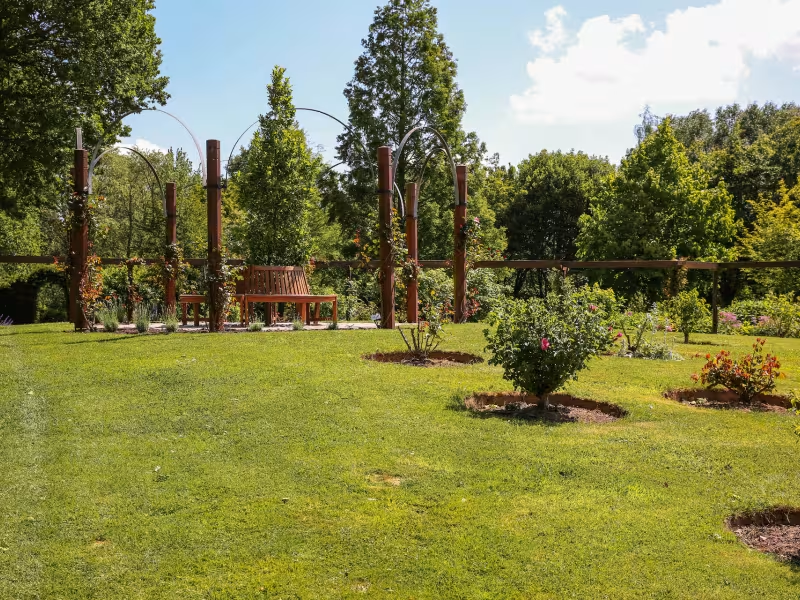
From Pourville-sur-Mer, next to the port of Dieppe, the Véloroute du Lin takes you inland to Cany-Barville to start your discovery of the Pays de Caux area and its flax fields. First, though, you need to cycle through Offranville (a parish much appreciated by the artist Jacques Emile-Blanche), the tranquil Sâane Valley and the village of Luneray. Up to Saint-Pierre-le-Viger, the route leads you along a former railway track turned into a greenway; look closely to spot a few elements still in place recalling its past as a train line.
The route
Leave Pourville by joining the greenway from the beach car park (parking de la plage). This greenway takes you as far as Saint-Pierre-le-Viger, but you have to negotiate several level crossings that break up the route. Be careful of motorized traffic at these points. Along the early part of the route, you’ll need to tackle a significant slope taking you from sea level up to the plateaux that make up the Pays de Caux. Once you’ve reached Saint-Pierre-le-Viger, follow a quiet road up until Saint-Vaast-Dieppedalle, then you can rejoin a section of greenway taking you to the end of this stage.
Link
From Cany-Barville, it’s possible to carry on cycling to Veulettes-sur-Mer.
Interconnexion with La Vélomaritime - EuroVelo 4
Gradients and elevation
Road types
Surface
Don't miss
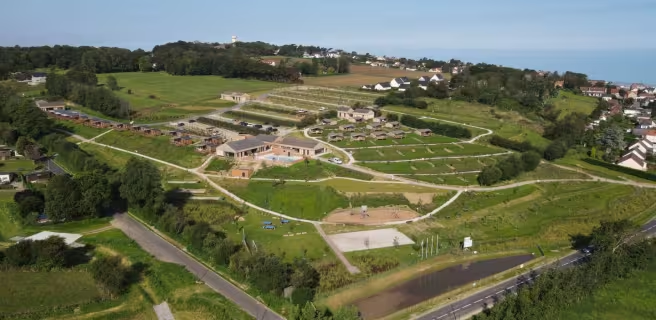
- Pourville-sur-Mer: the beach and beach huts; memorials recalling the part it played, codenamed ‘Green Beach’, in the Allied Operation Jubilee of 1942, during World War II
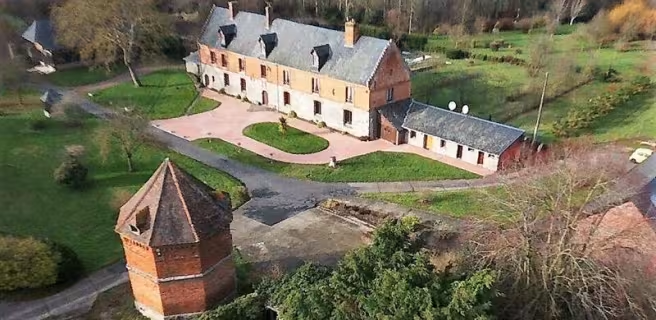
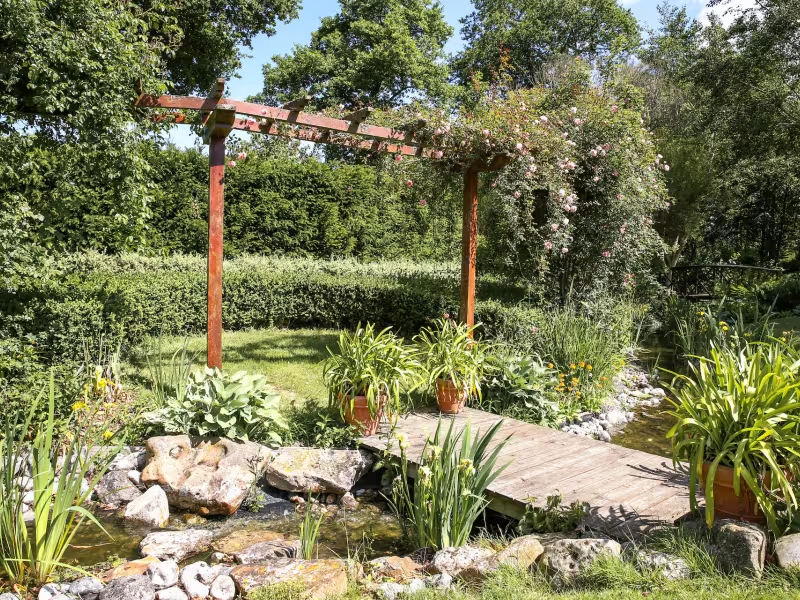
- Offranville: the William Farcy floral park; the special cycling tourism stop in the transformed former railway station; the church with its twisted spire; the Musée Jacques Emile-Blanche; the dovecot
- Luneray: the Sunday morning market; the character-filled village
- Saint-Pierre-le-Viger: the flax cooperative, Terre de Lin
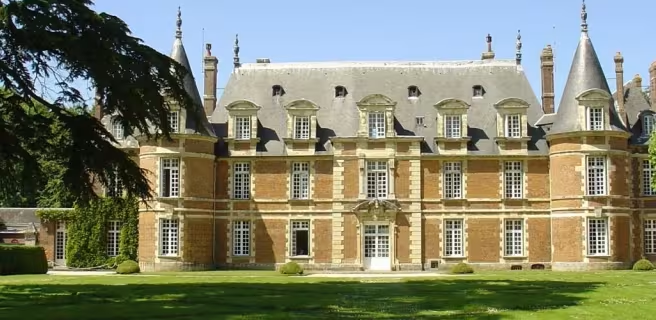
- Cany-Barville: a characterful village in the Durdent Valley