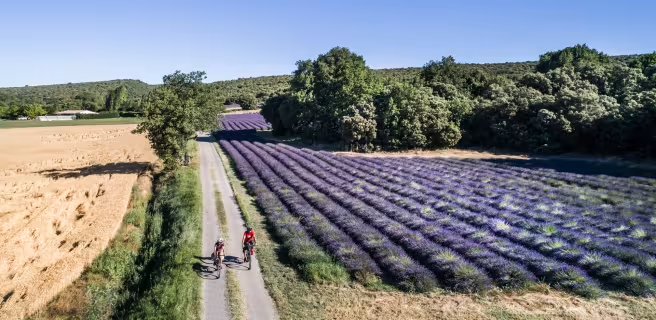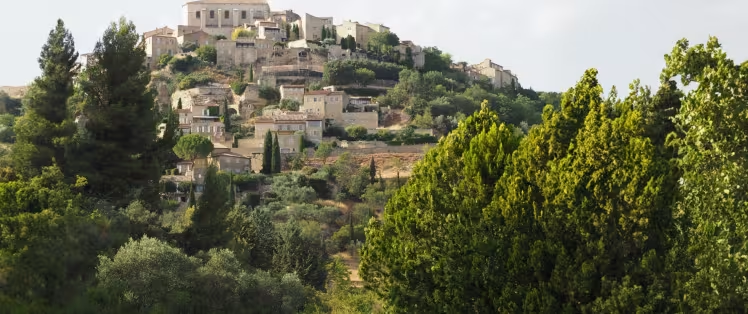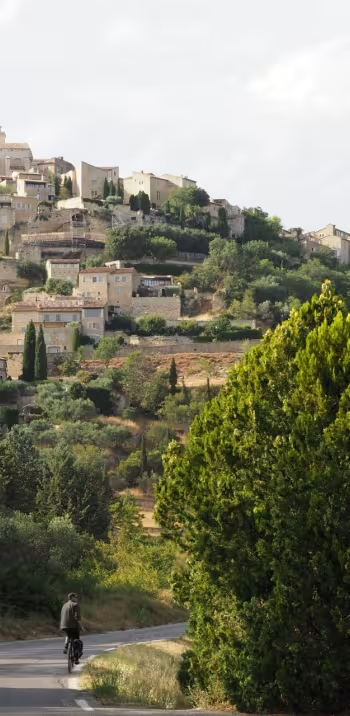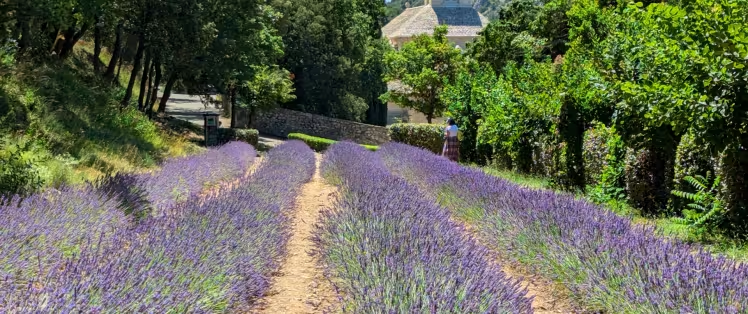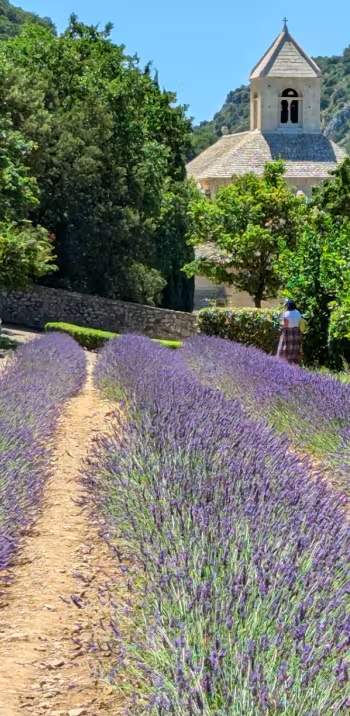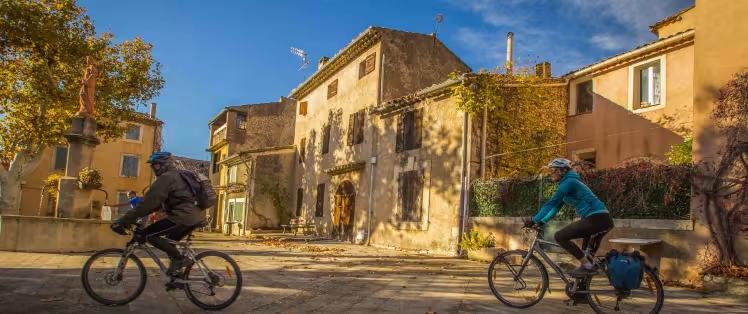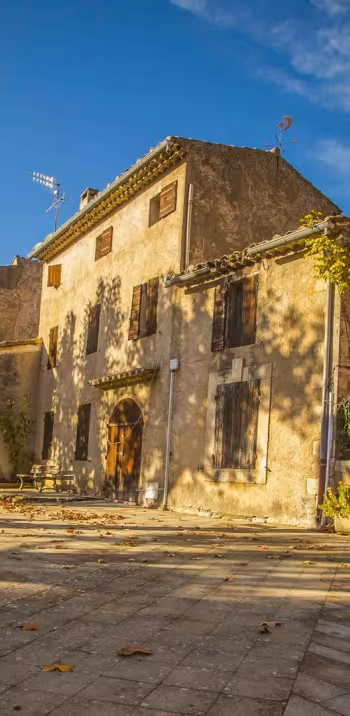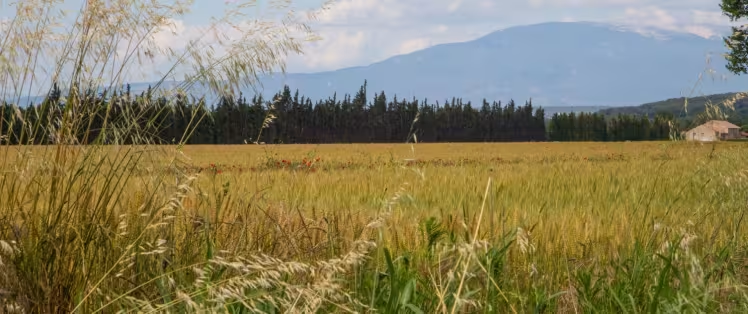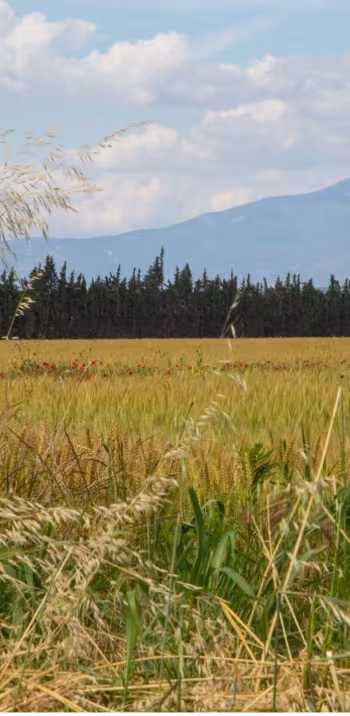


Perched villages, roads meandering through forested slopes and lavender fields
Le Calavon Greenway is a stretch of the Méditerranée à Vélo route that shouldn’t be missed. The whole Luberon area, a protected, precious, unspoilt corner, is crisscrossed by cycling circuits that will fill riders with joy. Discover perched villages, roads meandering through forested slopes and lavender fields. The Luberon can satisfy any type of cyclist, for outings with family or friends, or among sporty types. You’re sure to find trails to your taste with Le Luberon à Vélo cycle route.

Notre-Dame and Saint-Véran Cathedral, Cavaillon
Listed as a historic monument and built in the 12th century, Notre-Dame and Saint-Véran Cathedral in Cavaillon is a fine example of Provençal Romanesque architecture. It features numerous chapels richly decorated with gilding and carved wood, which contrast with the austerity of its façade. A visit here also offers the chance to discover a beautiful cloister where you can reflect before strolling through the historic centre of Cavaillon.

The Pont Julien
Located at the foot of the Luberon, the Pont Julien was built by the Romans to span the Calavon river over 2,000 years ago. Situated on the ancient Via Domitia, which linked Narbonne to Turin, this bridge is now a listed monument and a must-see on the ‘La Méditerranée à vélo’ cycle route. From this remarkable engineering feat, you can explore Bonnieux or Roussillon, hilltop villages in the Luberon.

Sainte-Anne Cathedral in Apt
Built in the 11th century, Sainte-Anne Cathedral in Apt is a listed historic monument. Reflecting a variety of influences, it features a monumental dome topped by a gilded statue of Saint Anne. You will be struck by the coolness of the interior and the grandeur of the 17th-century décor in the Royal Chapel of Saint Anne. You can then stroll through the town’s cobbled streets.

Salagon, museum and botanical garden
Salagon, a former medieval priory and a unique site in Provence, boasts a remarkable botanical garden featuring over 1,400 species of plants traditionally found in Haute-Provence. Forgotten, little-known or ancient, this exceptional flora is showcased in a stunning setting, thanks to an educational trail that winds through the leafy paths of a reconstructed medieval garden.
Tailor-made itineraries
Tailor-made itineraries
Télécharger le GPX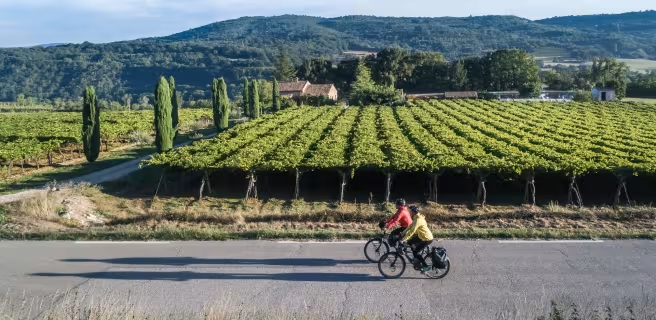
9 Cavaillon / Apt